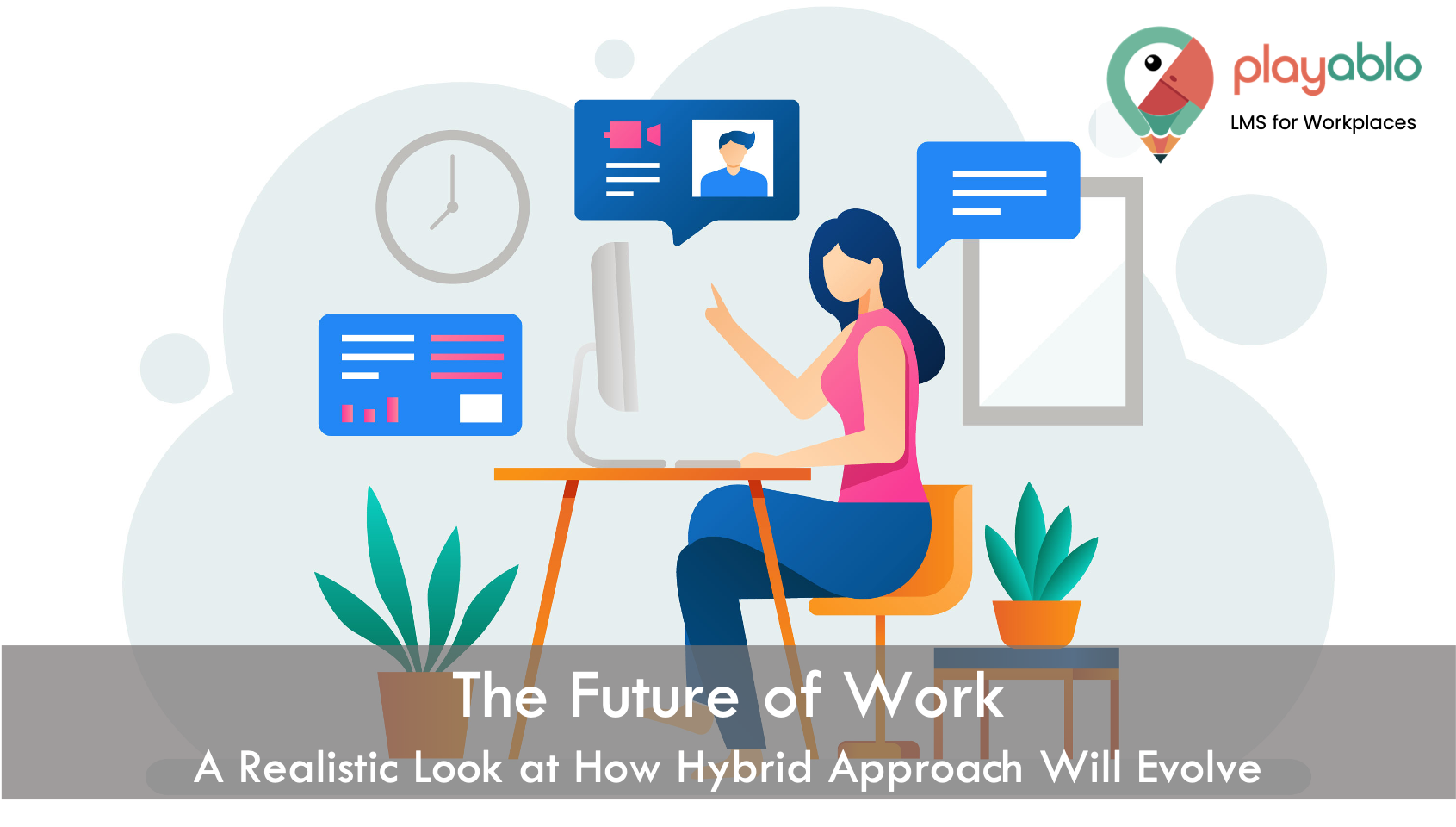
What’s the future of work in the next few years? Well, it’s the hybrid model! 72% of employees say that moving forward, they prefer a hybrid approach and a mix of remote and office work. So, where did it all start? Well, the idea of adopting a flexible work environment had been under consideration for over a decade now.
But with the onslaught of COVID-19, employers have been forced to rewrite the rules — quickly. Now, organisations are rapidly introducing remote working, which has set the bar for the new status quo. Physical places will never become obsolete. But the structure has to be redefined to fit the new future of work. And this is where a hybrid model comes in.
What is a Hybrid Model and How is it Beneficial for the Future of Work?
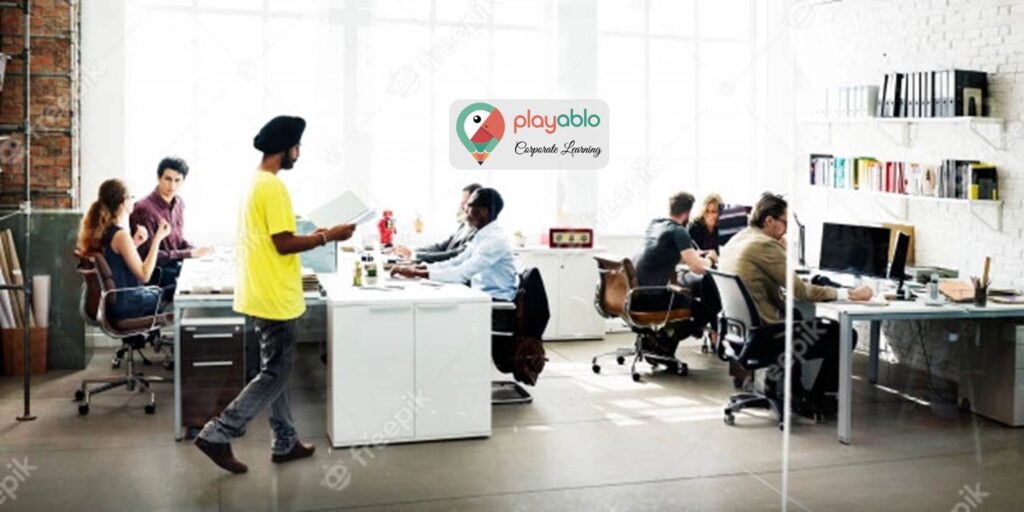
With the transformation of the physical workplace, we should be prepared to change our traditional expectations around the way and the hours we work. Employee experiences must evolve as organisations transit toward a more hybrid model. Neither can everyone work at the same time — whether it’s online or offline. They will instead work at a schedule optimised as per their circumstances.
A survey carried out by Deloitte explains how a digitalised workplace will become a norm in the future: “34 per cent of the surveyed respondents anticipate having more flexibility and autonomy to decide when and how to perform their work. Thirty-two per cent expect increased digitalisation of the workplace and attention to cybersecurity, and 27 per cent expect more trust among colleagues and across hierarchies.”
Yes, the future of work will demand the perfect amalgamation of technology and humans. And this shift will positively impact companies in mainly three ways:
...more...
.png)