10 Learning Theories in Organisational Behaviour: A Deep Dive into Human Motivation and Psyche
Unravelling the complexities of learning theories in organisational behaviour is the key to unlocking the true potential of your employees. In this dynamic and ever-evolving landscape, delving into motivation and psyche becomes crucial for cultivating a high-performing workforce that propels your organization towards success. Equipped with relevant examples and illustrationsContinue Reading

Designing Employee Training and Development Methods for a Multi-generational Workforce
This blog explores designing training and development methods for a multi-generational workforce, considering different generations’ diverse needs, preferences, and characteristics. It provides insights and practical tips to create effective training programs that promote a harmonious and productive work environment. In this rapidly shifting business climate, understanding the dynamics of differentContinue Reading

Top 15 eLearning Pros and Challenges in the Healthcare Sector
This blog explores the leading e learning pros and challenges in the healthcare sector, highlighting its relevance and importance in improving training and education for medical professionals. Continuous learning is pivotal in the healthcare industry, where staying updated with the latest advancements is crucial. Studies show that: In reality, traditionalContinue Reading

The Irrefutable Role of a Training Manager in Organizational Change Management
In the dynamic landscape of modern enterprises, where change is inevitable, you, as a seasoned training manager, understand the critical importance of navigating the turbulent waters of organizational transformation. As the winds of adaptation blow, adequate supervision becomes the compass that guides the ship toward success. In this realm, organizationalContinue Reading

Corporate LMS: 10 Strategies for Iterative Training Effectiveness to Achieve Continuous Learning Improvement
Studies show that organizations with a corporate LMS prioritizing continued learning and development outperform their competitors. In fact, below are some stats that showcase the importance of continuous learning and development initiatives — achieved via Iterative Training Effectiveness (ITE): This demonstrates the undeniable link between learning and business success inContinue Reading

Simulations Vs. Case Studies: Which Is the Better Training Method?
Online corporate training has become a vital tool for upskilling workforces in today’s fast-paced business environment. So, you are well aware of its growing popularity and its potential to drive organizational success. Now, online education platforms utilize multiple types of training methods — delivered via digital platforms and technologies —Continue Reading
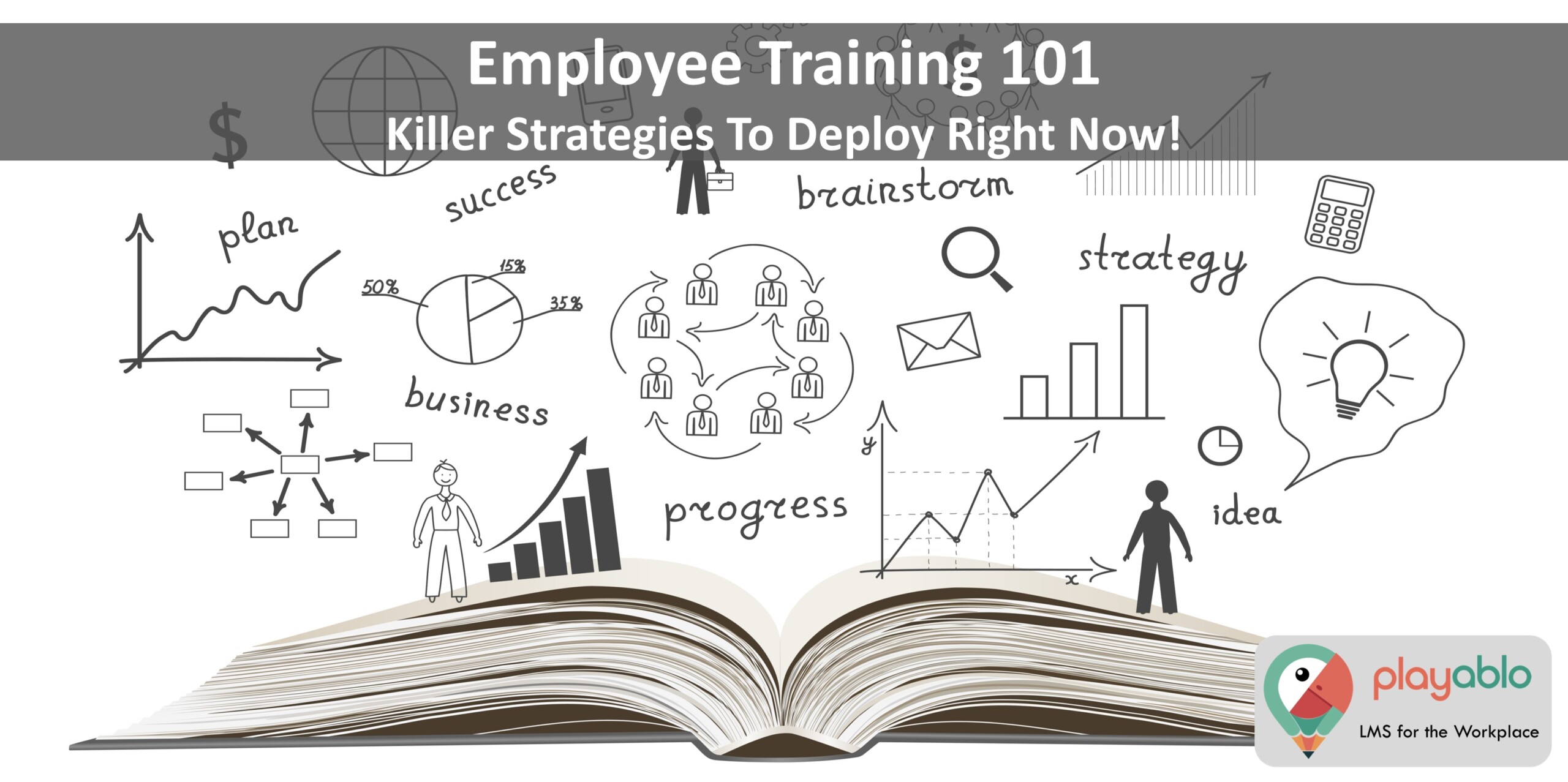
Employee Training 101: Strategies for Effective Staff Learning and Development
As a savvy business leader, you understand the value of a well-trained and highly skilled workforce. Investing in employee training and development can increase staff productivity and engagement and lead to a more robust bottom line. In fact, according to a report, companies that offer comprehensive training programs have 218%Continue Reading

10 Must-Have Soft Skills Courses for Your Employees in the Gig Economy
In today’s dynamic gig economy landscape, agility and adaptability reign supreme. As a seasoned manager or L&D professional, you know that success in this fast-paced realm hinges on more than just technical expertise. The ability to navigate complex relationships, communicate effectively across virtual platforms, and swiftly solve intricate problems —Continue Reading
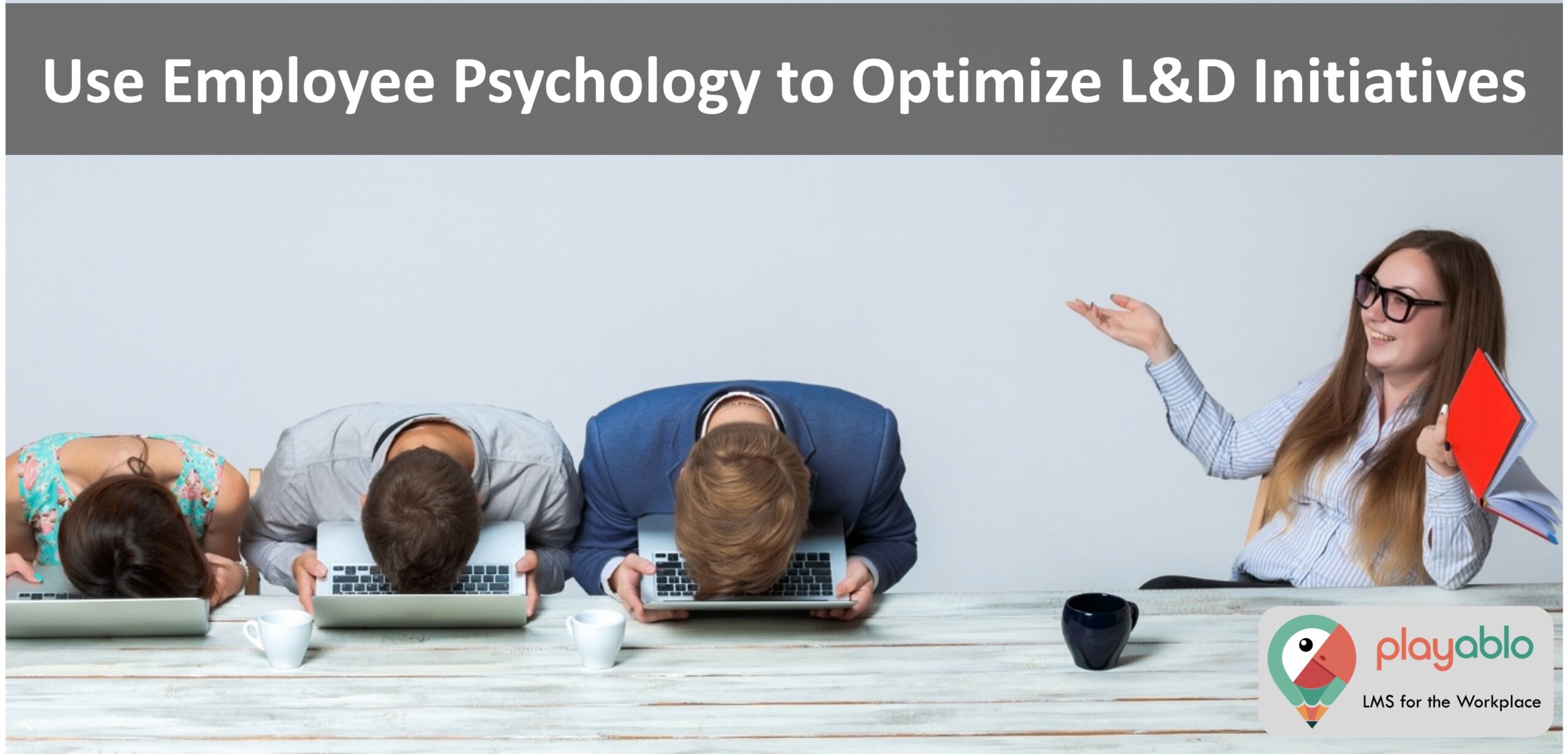
The Psychology of Training Techniques: Optimize Your Employees’ Learning Process
Did you know that inadequate employee training accounts for 40% of resignations? On the other hand, as per the same source, transparent onboarding processes and training techniques improve retention rates by 23%. Now, here’s an interesting fact: understanding the psychology of employee learning can make a massive difference in theseContinue Reading